Storing Outdoor Gear: Keep It Clean, Ready, and Out of the Way
If you love spending time outside, you know how fast gear can pile up. Backpacks, sleeping bags, fishing poles, and tents somehow end up everywhere. A little planning makes a big difference.
Storing things the right way keeps them in good shape and helps you find what you need without digging through a mess.
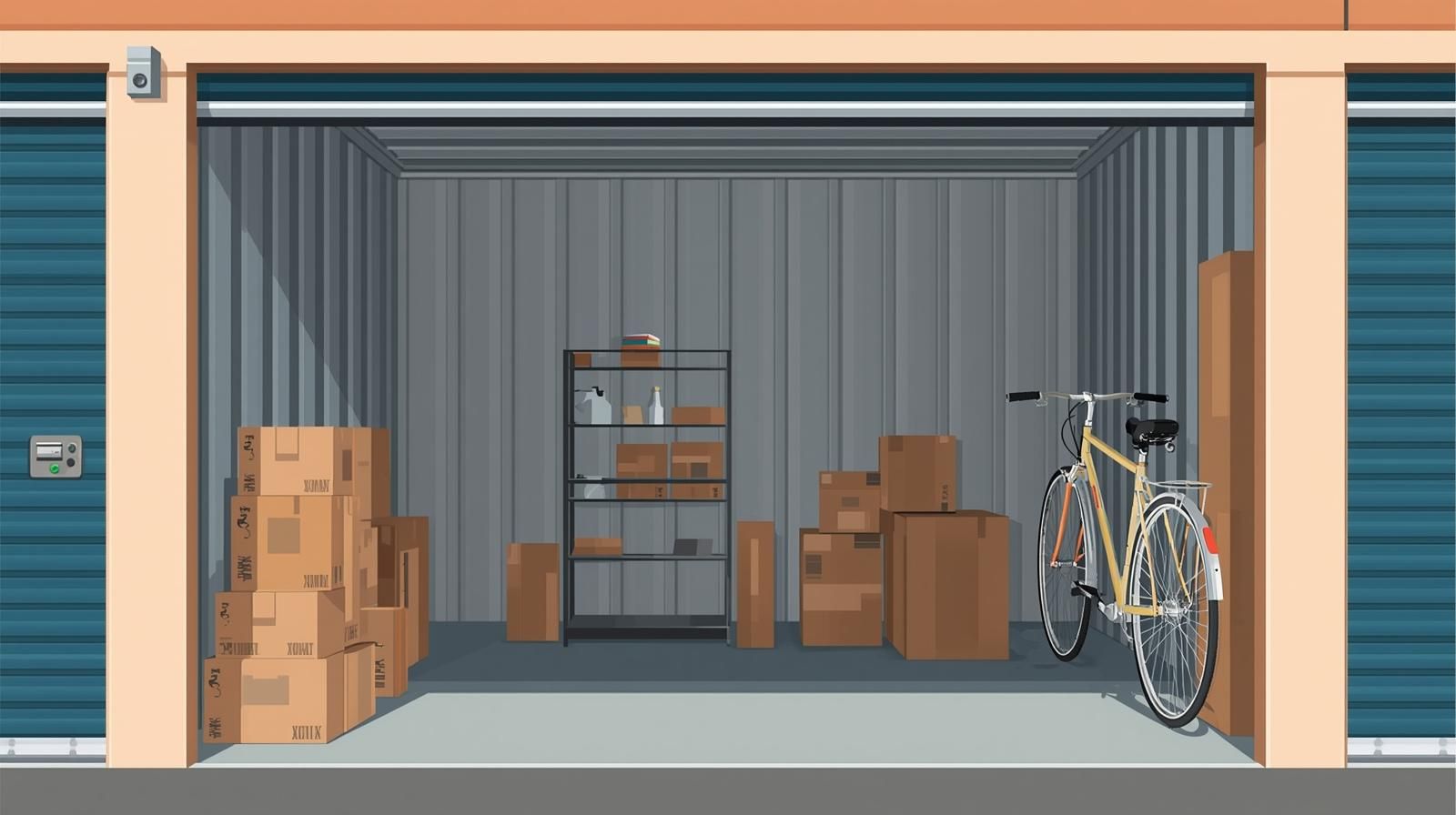
If your garage or spare room is already packed, Grand Junction Self Storage has space where you can keep your gear safe until your next trip.
And if you’re thinking about making the area home, our Living in Grand Junction guide shares what locals love most about the community, cost of living, and the outdoor lifestyle that makes it so popular.
Why It’s Worth Storing Gear the Right Way
Outdoor gear can handle rain and mud, but poor storage can ruin it. Moisture, heat, or simply tossing things into a pile shortens the life of your equipment.
Keeping Gear Dry and Safe
When items stay damp, mildew forms quickly. Metal parts rust, and fabrics start to smell. Always clean and dry everything before putting it away.
Saving Time for Future Trips
It’s easier to get out the door when your gear is organized. You don’t waste time searching for hiking boots or untangling ropes before sunrise.
Extending the Life of Your Gear
A little care goes a long way. Cleaning and storing equipment properly means fewer replacements and repairs over time.
Step 1: Clean Before You Store
After every trip, spend a few minutes cleaning. Dirt and sand act like sandpaper, slowly wearing down fabric and coatings.
Wash Off Mud and Salt
Use mild soap and water for most gear. Avoid harsh cleaners that can strip waterproof coatings.
Let Everything Dry Naturally
Hang things up in the shade or a well-ventilated area. Putting damp items in storage almost always leads to a musty smell later.
Check for Damage
Take a quick look for broken zippers, missing straps, or small holes. Fixing problems now saves you trouble when you’re packing for the next outing.
Step 2: Sort and Organize
Good organization is the secret to easy packing.
Group by Type
Keep hiking gear with hiking gear. Tents, sleeping bags, and cooking supplies can stay together in their own bins.
Use Clear Bins
Plastic containers protect from dust and pests. Clear ones help you see what’s inside without digging through everything.
Label the Containers
Simple labels make it easy to find things fast. You can even color-code bins for different activities.
Keep Everyday Gear in Front
If you go hiking every weekend, put that gear in an easy-to-reach spot. Store seasonal or rarely used items farther back.
Step 3: Choose the Right Storage Space
The best storage spot is cool and dry. Avoid places that get hot in summer or damp after it rains.
Avoid Attics or Basements
These areas often have temperature swings that damage fabrics and adhesives.
Try a Climate-Controlled Unit
Temperature-controlled storage units protect against heat, humidity, and cold. This is especially helpful for tents, sleeping bags, and electronics.
Keep Out Dust and Pests
Use sealed containers and light covers on larger items. Mice and insects love fabric, so keep your gear protected.
Step 4: Use Racks and Hooks
Shelving and wall mounts keep things organized and prevent damage.
Use Plastic Bins with Lids
Cardboard breaks down over time. Plastic bins last longer and block out moisture.
Store Boots on a Shelf or Rack
Boots dry better when air can circulate. Stuff them with paper to help them keep their shape.
Hang Backpacks and Sleeping Bags
Hanging keeps insulation fluffy and stops fabric from creasing. It also saves floor space.
Mount Large Items on Walls
Kayaks, skis, and bikes can rest on padded wall racks. This prevents warping and makes it easier to clean underneath.
Step 5: Care for Each Type of Gear
Every item has different storage needs.
Tents and Sleeping Bags
Make sure they’re clean and dry. Store loosely in breathable bags rather than tight compression sacks.
Backpacks and Hiking Gear
Empty all pockets, shake out dirt, and remove crumbs. Hang upright or place on open shelving.
Boots and Footwear
Wash off mud, dry them fully, and insert cedar blocks or newspaper to absorb moisture.
Kayaks, Skis, and Other Large Gear
Lay them on padded racks or hang them using straps. Keep them away from direct sunlight to prevent fading.
Clothing and Outerwear
Wash and dry before storing. Hang jackets and fold lighter clothing neatly. Add a few silica gel packets to absorb humidity.
Step 6: Control Humidity and Heat
Temperature swings can cause real damage.
Add Moisture Absorbers
Silica gel packs or small dehumidifiers help prevent mildew and rust.
Keep Some Airflow
Leave a few inches between containers and the wall. Air movement keeps things fresh.
Avoid Sunlight
Direct light fades colors and weakens certain materials. Store gear in a shaded or covered space.
If you want expert guidance on long-term gear care, check REI Co-op’s Expert Advice or review the National Park Service recommendations for cleaning and preserving outdoor equipment.
Step 7: Think About How Often You Use Your Gear
People who get outside every weekend should store things differently than seasonal campers.
Short-Term Storage
Keep gear where you can reach it quickly. Use open shelving and bins that are easy to move.
Long-Term Storage
Seal items in protective bins and check them a few times a year. Rotate sleeping bags or tents occasionally so fabrics do not crease.
Step 8: Keep Gear in Good Shape
Even when gear is stored well, it still needs attention once in a while.
Do Regular Checkups
Set reminders to look over your gear every few months. Spot small problems before they turn into expensive repairs.
Replace Old or Worn Items
If something is falling apart, it’s better to replace it now than have it fail in the field.
Keep Cleaning Supplies Nearby
A small kit with soap, brushes, and rags makes it easy to clean gear before you store it again.
You can also explore the Outdoor Industry Association for great insights on keeping your equipment in good condition throughout the year.
Common Questions About Gear Storage
How can I stop mildew on tents or sleeping bags?
Clean them thoroughly and make sure they’re dry before putting them away. Store them in breathable bags instead of sealed plastic containers.
Is storing gear in the garage okay?
Yes, if your garage stays dry and cool. Avoid spots near chemicals or fuel.
Why does my gear smell musty?
It usually means there’s trapped moisture. Air out your items and use moisture absorbers to help prevent odors.
Should I hang or fold outdoor clothing?
Hang coats and bulky layers. Fold lighter clothes neatly in bins to save space.
Final Thoughts: Store Smart and Stay Ready
Your gear is what connects you to the outdoors, so it’s worth protecting. A few simple habits keep it clean and ready for your next trip. Organizing your storage now will save time later when adventure calls.
If you’re running out of room at home, check out
self storage in Grand Junction for affordable and secure storage options that keep your outdoor gear safe year-round.